Scientific Validation: From Design Flaw to Production Success
DFM: The Bridge from Prototype to Production
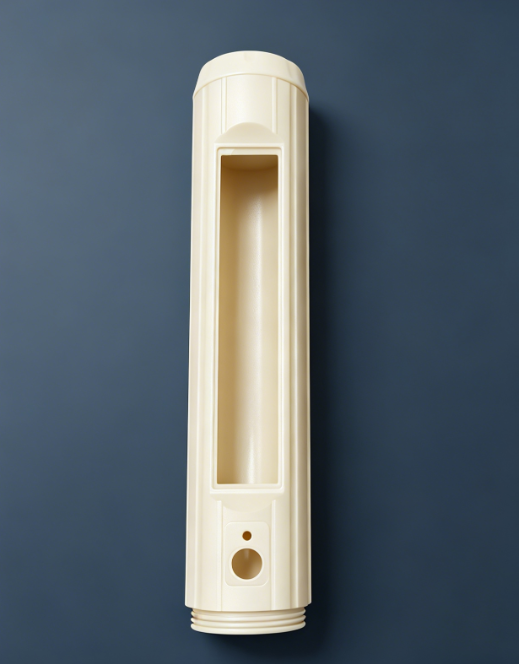
Eliminating Thermal Concentration & Shrinkage in High-Precision Molding
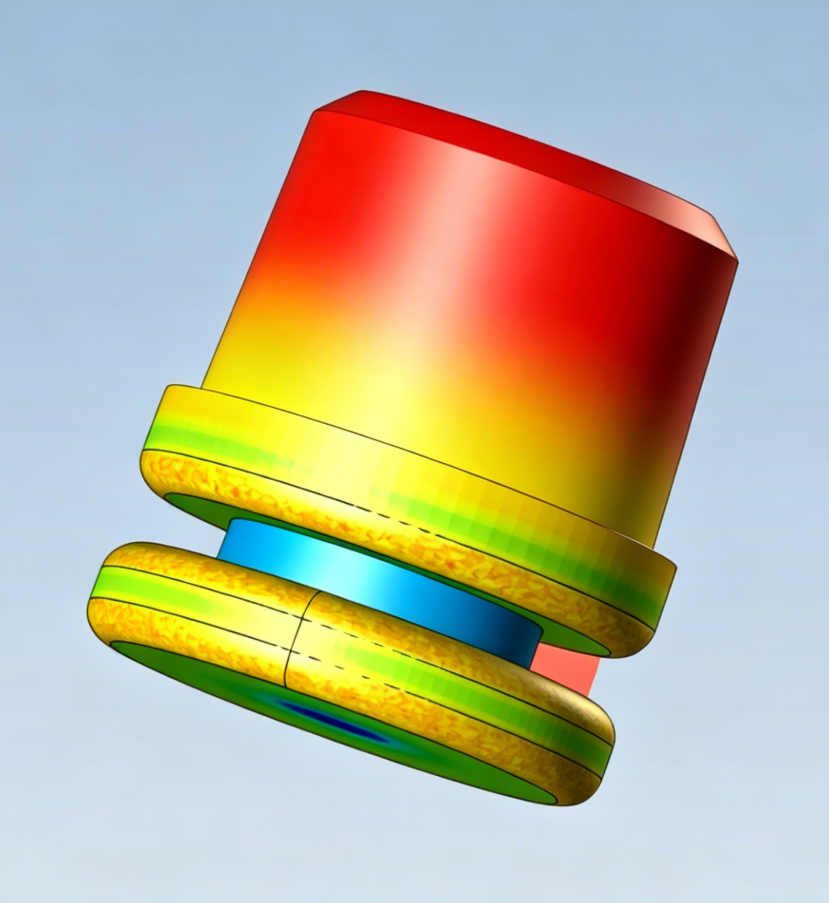
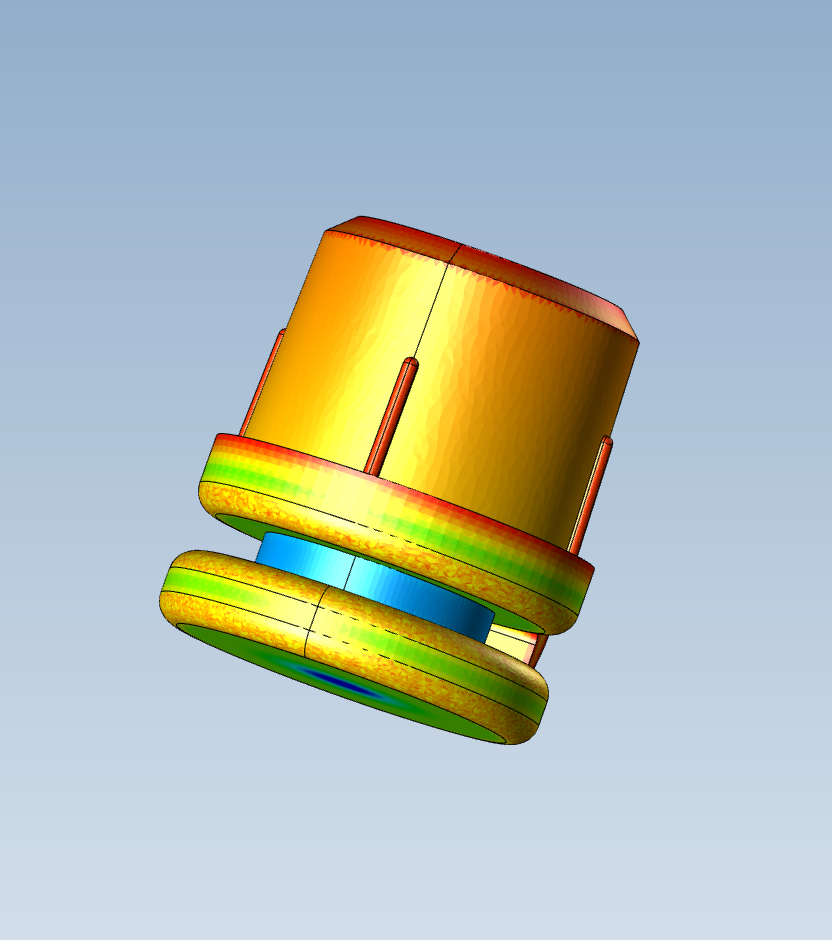
before after
The Engineering Challenge: A common pitfall in transition from prototyping to mass production is neglecting Thermal Mass Management. In a recent project, our DFM (Design for Manufacturing) audit identified a critical design flaw: the component featured excessive wall thickness in functional zones.
Without intervention, this "heavy" design would lead to:
Significant Surface Sink Marks: Compromising the aesthetic and professional finish.
Internal Vacuum Voids: Weakening the structural integrity of the part.
Precision Drift: Uneven cooling rates would cause the part to warp, making it impossible to meet tight assembly tolerances.
Our Technical Intervention: Instead of moving directly to tool cutting, we performed a comprehensive Thermal Flow Analysis (as shown in the heatmap).
Design Optimization: We proposed a strategic "coring out" of the thick sections to achieve a uniform wall thickness.
Precision Control: By balancing the thermal mass, we ensured consistent cooling across the entire geometry, which is vital for maintaining the critical dimensions of internal channels.
The Manufacturing Outcome:
Perfect Surface Quality: Eliminated 100% of the sink mark risks.
Higher Yield Rate: Stable production with zero dimensional drift during high-volume runs.
Cost Efficiency: Optimized cooling cycles resulted in a faster production cadence, reducing overall unit costs for the client.
Expert Advice: Real engineering isn't just about following a drawing—it's about ensuring that the drawing can successfully become a high-quality product.